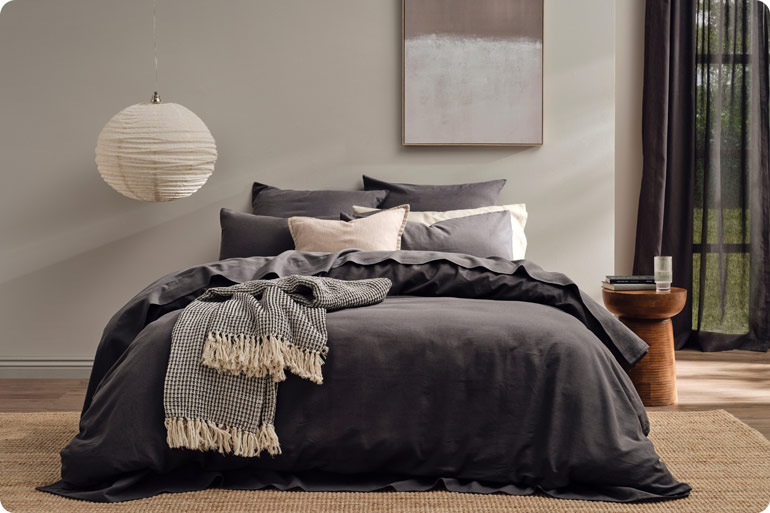
After a full day of school runs, meals, work, bath time and bedtime negotiations, finally getting into bed should feel like the easy part. Yet plenty of mums know the frustration of feeling exhausted while their body still seems reluctant to settle. The bedroom itself can play a part. Temperature, touch and the feel of bedding all give the body sensory information, even after the lights go out. Small changes to those cues can make the transition into rest feel less abrupt.
That is also why bedding deserves more thought than its colour or pattern. KOO Home Store, Australia’s number one private-label home interiors brand, carries a broad bedroom range designed for everyday comfort.
For mums trying to wind down after a long day, the feel of the bed can matter as much as how it looks, especially if certain fabrics feel too warm, rough or irritating against the skin.
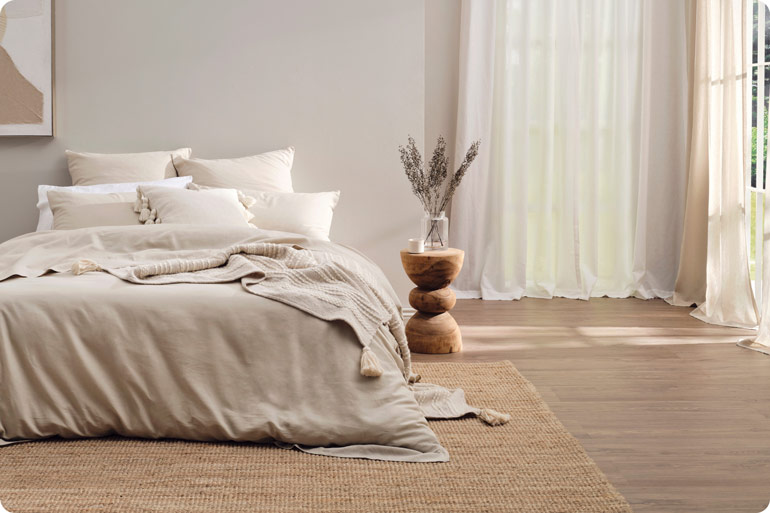
Your body notices the bedroom before your brain switches off
You may finish the evening physically tired but mentally occupied by tomorrow’s lunches, unread emails, or the toy still sitting in the hallway. In that state, small physical irritations can become harder to ignore.
A fitted sheet that feels rough against your legs, a quilt that traps too much warmth, or a pillowcase that feels clammy can give your brain another sensation to process. None of these things causes sleeplessness on their own. However, removing needless discomfort can make bedtime feel calmer.
This is where familiar sensory cues can help. A cool pillow, smooth sheets, and a comfortable layer pulled over your body can become part of the same nightly routine. Over time, the bedroom starts to feel separate from the louder, busier parts of family life.
Start with what is touching your skin
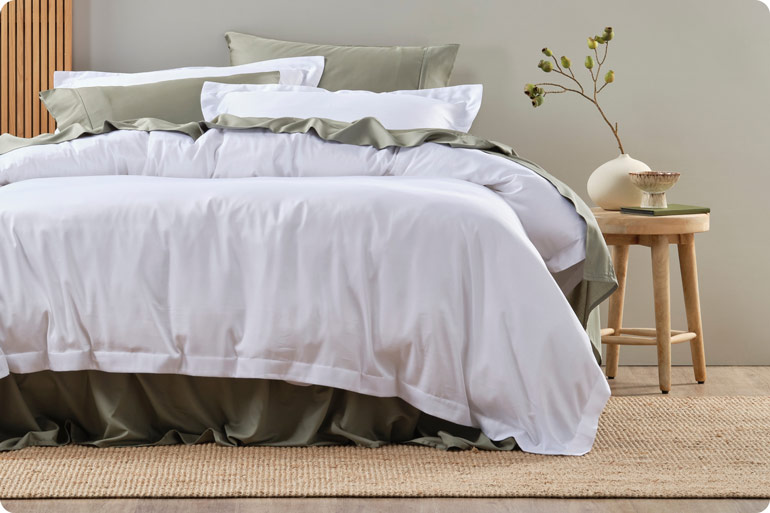
Once the lights go out, your sense of touch takes over. No television competes for your attention, and fewer household distractions compete for it. This leaves you alone with the feel of your sheets. That makes beautiful bed linen worth considering. Some people prefer crisp cotton, while others like the smoother feel of bamboo cotton or a softer washed finish.
Personal preference matters here because a texture one person finds cosy may irritate someone else. Natural fibres can also feel different depending on their weave, weight, and finish. Thread count alone does not give you the full picture. A higher number isn’t automatically better if the fabric feels heavy or doesn’t suit your sleeping style.
Trust your physical comfort. If sheets regularly feel scratchy, sticky, or uncomfortable against bare skin, changing the fabric or weave may remove one small barrier to getting into bed and relaxing.
How KOO Home Store bedding can help you sleep cooler
Body temperature naturally changes around sleep. An overly warm bedroom can make it harder to get physically comfortable, especially on humid nights or after a rushed evening.
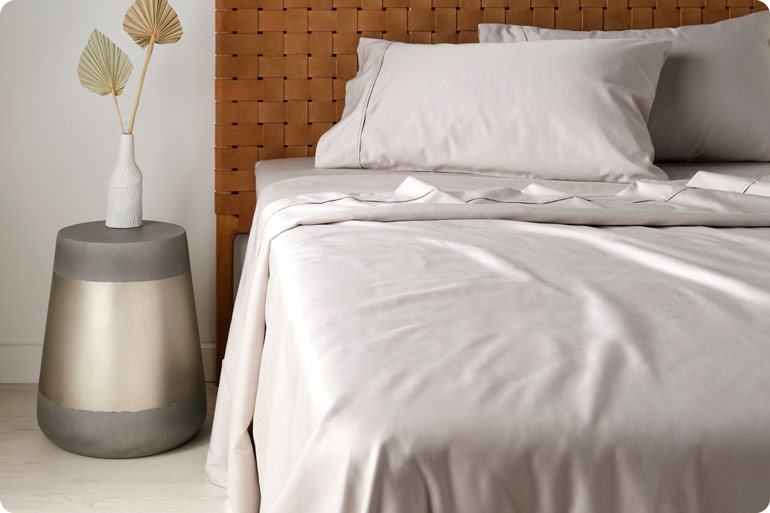
Bedding can affect how much heat stays close to the body. Breathable fibres such as cotton and bamboo cotton suit people who dislike heavy, heat-trapping layers. KOO’s bedding range includes options in different fabrics, making it easier to adjust the bed to your preferences and the time of year.
Layering can also work better than relying on one heavy quilt year-round. A lighter base layer gives the sleeper more control. Add another layer if the room cools overnight, rather than starting the night feeling too warm.
No single temperature suits every household. Pay attention to how your body responds during the night. If you always wake up feeling hot, kick the bedding away mid-sleep, or spend the first part of the night searching for a cooler spot, your bedding needs an adjustment.
Use pressure and texture as cues to slow down
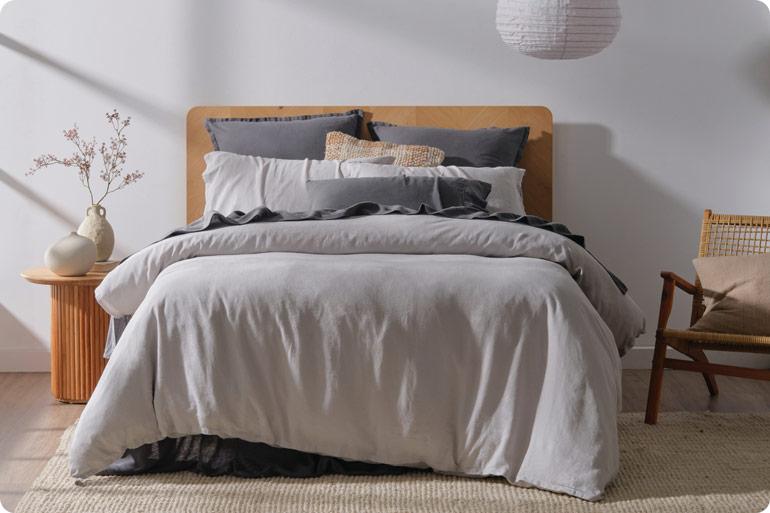
Touch does not stop with sheets. For some people, pulling a familiar cover over the body creates a clear physical cue that the active part of the day has finished. Others prefer to sit with a soft throw for ten minutes before getting under the quilt.
That is where blankets and throws can play a practical role beyond decoration. The goal is not to pile extra weight onto the bed. It is to use texture deliberately. A soft layer used only in the evening can become part of the wind-down routine, like dimming lights or putting a phone aside. It also gives restless hands something neutral to feel, rather than reaching for a screen.
If you already spend all day being touched, climbed on or tugged at, you may prefer the opposite. A light sheet and fewer layers may feel better after bedtime. Sensory comfort is personal, so focus on what relaxes your body rather than following a fixed formula.
Make the bedroom feel different from the rest of the house
Busy households rarely become quiet all at once. The kitchen may still need tidying. A teenager may be awake. The washing machine might still be running. Because the rest of the home can stay active, the bedroom benefits from having its own set of cues. Comfortable bedroom essentials can help create that distinction without turning bedtime into another complicated routine.
Start with the surfaces closest to the body. Keep the bed free of laundry and work items where possible. Adjust layers before getting in rather than after overheating. Keep sleepwear and tomorrow’s clothes within reach so the bedroom requires fewer decisions late at night.
Light matters too. Bright overhead lighting right before bed can make the room feel like an extension of the rest of the evening. A softer lamp during the final part of the night can change the bedroom’s feel without adding another task to the schedule.
The best sensory routine is one you barely have to think about
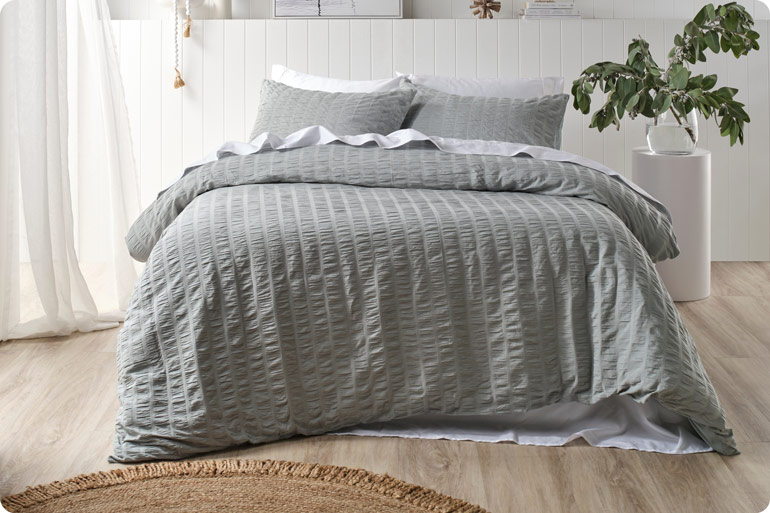
A useful night routine should reduce effort, not create another list for an exhausted parent to complete. That might mean using the same soft sheets most nights, keeping the room slightly cooler or placing a light throw within reach. Another person may sleep better with fewer layers and a crisp cotton pillowcase. Details can differ because sensory preferences do.
Focus on removing the small irritations that repeatedly show up at bedtime. If the sheets feel rough, change the texture. If the bed feels too hot, reconsider the layers. If getting into the bedroom still feels like carrying the whole day with you, create one or two physical cues that belong only to the evening.
For a mum whose brain has already made hundreds of decisions by bedtime, the most helpful sleep setup may be the one that asks nothing more of her once she finally gets under the covers.
This is a sponsored editorial for KOO Home