
Laura was eight when her knee started hurting. It swelled up, and her family heard what plenty of families hear first. Growing pains.
Then hugs started to hurt her shoulders. Her jaw ached. Sitting cross-legged on the classroom floor became something to dread. And one morning, she couldn’t bend down to pick up her Lego.
Nearly 12 months after that first sore knee, Laura was diagnosed with polyarticular juvenile idiopathic arthritis (JIA). Her early juvenile arthritis symptoms looked so ordinary that nobody would have blinked. That’s exactly why we wanted to share her story, along with two other families who’ve opened up to Juvenile Arthritis Foundation Australia (JAFA).
Because here’s the thing most of us don’t know until it lands on our doorstep. Kids get arthritis too. Toddlers get it. Teenagers get it. Boys and girls get it.
What Is Juvenile Idiopathic Arthritis (JIA)?
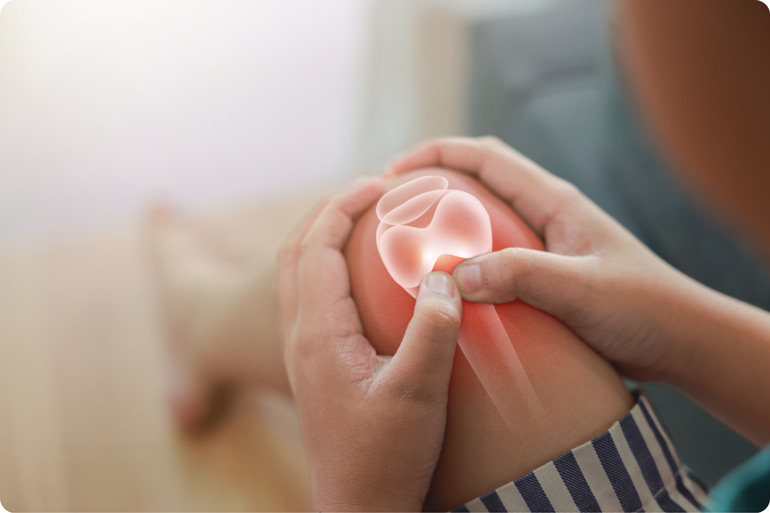
JIA is an inflammatory autoimmune condition that starts before a child turns 16. “Idiopathic” is the medical way of saying the cause isn’t known. It can affect one joint or many, and some kids have symptoms beyond their joints too.
How Common Is Juvenile Arthritis in Australia?
Far more common than most parents assume. According to JAFA:
- An estimated 6,000 to 10,000 Australian children aged under 16 live with juvenile arthritis.
- That makes it about as common as diabetes and epilepsy in children, and six times more common than cystic fibrosis.
- JIA is one of the most common chronic conditions in children and young people.
- Yet it takes an average of 10 months to diagnose.
Ten months. That’s most of a school year of sore mornings, missed sport and a kid who can’t quite explain what’s wrong.
Juvenile Arthritis Symptoms at a Glance
Short on time? These are the signs JAFA wants every parent to know. You’ll find the full symptom list further down.
- Stiff joints, especially first thing in the morning or after a long sit
- Swollen joints, with no knock or fall to explain it
- Sore joints that keep on hurting
- A limp, or not wanting to use an arm, leg or hand
- Tiredness, fevers or a rash that come and go
Meet JAFA: Your First Stop for Juvenile Arthritis Information
Juvenile Arthritis Foundation Australia (JAFA) is Australia’s registered national charity for children and young people with JIA and related childhood rheumatic diseases, and their families.
It was set up in 2019 by Professors Ruth and Stephen Colagiuri after their own grandchild was diagnosed, and they were shocked by how little support was out there for families. Today JAFA shares trusted information, connects families who’ve been through the same thing, and advocates for better access to specialist care. It also works with government, partners and the paediatric rheumatology community to fund research and track how many Australian kids are affected.
If you’re worried about your child, the JAFA website is the place to start. Here’s some of what you’ll find at jafa.org.au:
- Real stories from Australian families, including the kids you’ll meet below.
- Free videos from leading Australian paediatric rheumatologists, explaining JIA in plain language.
- The Early Diagnosis Hub, evidence-based guidance written for GPs and health professionals. Handy to have on hand for your appointment.
- KidsConnect, a secure online space where kids with arthritis can meet and chat with other kids who get it.
- The JAFA community, which is free to join and keeps families up to date with news, events and support.
If you’re staring down unfamiliar symptoms or a fresh diagnosis, it’s a reminder that you’re not the only family dealing with this.
Toddler, Preschooler, Primary Schooler: Three Very Different Starts
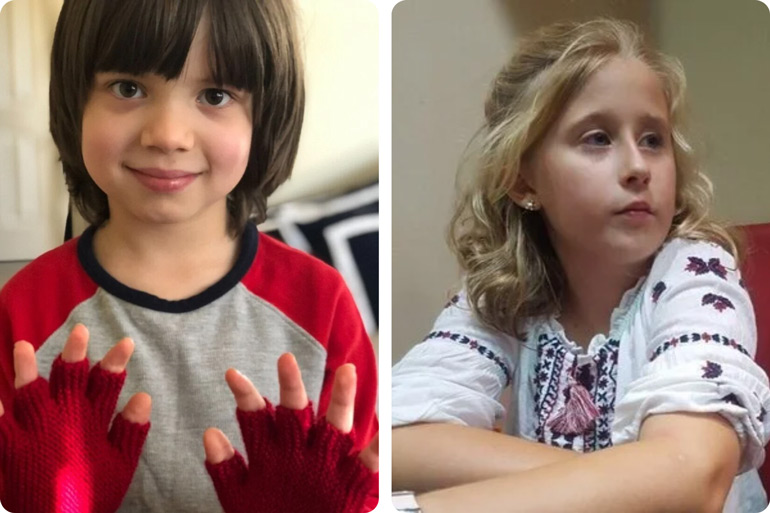
There’s no single age, gender or symptom pattern that every family will recognise. These three kids were diagnosed at different ages, and their first signs looked nothing alike.
Xavier, almost 2: From running around to unable to sit
Just before his second birthday, Xavier caught a virus. Toddlers catch roughly a thousand of them a year, so nobody blinked. Except this time he didn’t bounce back.
Within six weeks, he’d gone from a busy little boy running everywhere to a toddler who couldn’t even sit. After a long run of doctor visits, tests, scans and hospital stays, his family finally had a name for it. Juvenile idiopathic arthritis.
Xavier’s story shows JIA doesn’t always creep in slowly. Sometimes it turns up fast.
“Just before Xavier turned 2 he caught a virus. Nothing new, only this time he didn’t get better. Within six weeks he went from a little boy running around to a child who couldn’t even sit. After numerous doctor visits, tests, scans and hospital rooms we were given a diagnosis, juvenile idiopathic arthritis. No one could tell us why or how or what the future would hold. Looking back, that was probably a good thing.”
And he’s still very much a kid. He’s into Transformers, Lego, Roblox and hide and seek, he loves Anh Do’s Weirdo books, and his big goal is playing soccer in a proper team with other kids.
Nylah, 3: “I cry because I have broken knees”
Nylah was diagnosed with juvenile arthritis at three. It affects a lot of her joints: her feet, knees, hips, back, neck, elbows, wrists, hands and jaw. Her parents, Adam and Rachel, say she’s the toughest person they know.
A picture book about juvenile arthritis helps her understand a little of what’s going on in her body. But at three, putting pain into words is hard. Sometimes she tells her parents:
“I cry because I have broken knees.”
Little kids often can’t tell you exactly what hurts. That’s okay. You can still book in with your GP, even if your child can’t point to where the pain is.
Laura, 8: “We were told it was growing pains”
Laura’s started with one sore, swollen knee. “We were told it was ‘growing pains’,” her mum told JAFA. But it didn’t stay in one knee. It spread to her shoulders, then her jaw, until sitting on the classroom floor and picking up her Lego were out of reach. Her diagnosis came nearly 12 months after that first sore knee.
Getting care was its own mountain. With no paediatric rheumatology services near their small town, the family drives a 1,200km return trip to Sydney at least every three months. Petrol, time off work, school days missed. All of it.
A boy who stopped walking after a virus. A preschooler with pain in almost every joint. A primary schooler whose sore knee got put down to growing pains. Different ages, different starts, same diagnosis.
You can read more Australian families’ stories, including Willah, Alyanna and 13-year-old Daman, on JAFA’s Our Kids page.
Juvenile Arthritis Symptoms: Think Stiff, Swollen, Sore
JAFA’s message to parents comes down to three words. Stiff. Swollen. Sore.
But JIA can show up in more ways than sore joints, and every child is different. Your child might have a few of these signs and not others.
Joint symptoms
- Morning stiffness. Your child is slow and stiff after waking or after a long sit, then loosens up as the day goes on.
- Swelling that hangs around. One or more joints look puffy, and there’s no obvious knock or fall to explain it.
- Ongoing soreness. Pain that keeps coming back during familiar movements or activities.
- Warm or red joints. An affected joint may feel warmer than the same joint on the other side.
- Restricted movement. Your child avoids bending, straightening or using a particular joint.
- A limp, especially one that’s worse in the morning and wears off.
Whole-body symptoms
In some types of JIA, the symptoms below can sometimes occur:
- Tiredness that sleep doesn’t fix.
- A fever that comes and goes, sometimes spiking around the same time each day.
- A rash that comes and goes, often pale pink.
- Swollen glands in the neck, armpits or groin.
- Loss of appetite or weight loss.
Eye symptoms
- Red or sore eyes, blurry vision, or dry, gritty eyes. But eye inflammation linked to JIA is often silent, so many kids have no eye symptoms at all. More on that below.
Arthritis that’s been there for six weeks or more is one of the things doctors look for when diagnosing JIA. You don’t need to wait that long to see your GP, though. If something isn’t right, book in.
What it Can Look Like at Home
Kids rarely announce “my joint is inflamed”. You’re more likely to spot it sideways.
- A toddler who suddenly wants carrying everywhere, or goes back to crawling after walking confidently.
- A child who’s grumpy or teary first thing, then fine by lunchtime.
- Trouble with hand tasks like holding a pencil, doing up buttons or opening a lunchbox.
- Dropping out of things they used to love, like sport, the trampoline or running around at recess.
- Struggling to sit on the floor at school or kindy.
None of these signs automatically mean JIA. But they’re useful information to take to your GP, and they’re worth writing down.
Growing Pains or Arthritis? How to Spot the Difference
Growing pains are real and really common. It’s a fair first thought when a kid complains about sore legs. The trouble starts when that explanation sticks even though the symptoms don’t fit. Here’s a rough guide.
| Growing pains | Possible arthritis | |
| When it hurts | Evenings or overnight | Often worst in the morning or after rest |
| Where | Muscles, usually both legs (shins, calves, thighs) | Joints, often one or a few specific ones |
| Swelling | No | Can be swollen, puffy or warm |
| Next morning | Running around like normal | Stiff, slow to get going, may limp |
| Rubbing it | Usually helps | Child may not want it touched |
| How long | Comes and goes | Hangs around for weeks |
You don’t have to work out which one it is yourself. That’s the GP’s job. Your job is noticing, and asking your GP if it could be juvenile arthritis.
What to Do Before Your GP Appointment
A few minutes of prep makes a big difference, especially when symptoms have a habit of vanishing the minute you walk into the clinic (kids are cheeky like that).
- Take photos of any swollen joint, ideally next to the same joint on the other side.
- Film your child walking first thing in the morning. A 20-second video of that stiff, careful shuffle says more than any description.
- Keep a simple diary: which joints, what time of day, how long it lasts, and what your child is finding hard.
- Note how long it’s been going on. Weeks? Months? Dates help.
Questions to Ask Your GP
Here’s a list you can screenshot and take with you.
- “Could this be juvenile arthritis?”
- “Do we need a referral to a paediatric rheumatologist?” (a specialist who assesses and manages inflammatory joint conditions in kids)
- “If the blood tests come back normal, could it still be juvenile arthritis?”
- “Does my child need an eye check?”
- “What should I watch out for, and when should we come back?”
- “If it’s not JIA, what else could explain this?”
If things haven’t settled after the first round of investigations, book a follow-up and explain what’s still happening. Going back isn’t being a pest. It’s giving your GP the full picture.
JAFA has also put together an Early Diagnosis Hub with evidence-based guidance for health professionals. It’s worth mentioning at your appointment so your GP knows it’s there.
Normal Test Results Don’t Rule Out JIA
This one catches a lot of parents off guard.
There’s no single blood test that confirms or rules out juvenile arthritis. Plenty of kids with JIA have completely normal blood results. Tests are useful for checking other possible causes, but diagnosis relies heavily on your child’s symptoms, history and a physical examination.
So a “the bloods are all clear” result is good to know. It just isn’t the final word.
Eye Involvement (Uveitis) Can Be Silent
JIA can be linked to uveitis, which is inflammation inside the eye. Uveitis can develop with no noticeable symptoms at all. Your child’s eyes can look perfectly normal and they may never mention their vision.
That’s why kids with JIA need regular eye examinations as advised by their healthcare team, even when their joints feel fine.
Why Getting In Early Helps
JAFA says early specialist assessment helps children manage the condition and helps prevent joint and eye damage. It also means kids can get back to the everyday stuff sooner. Cuddles. Netball. Sitting on the mat for story time.
For Laura’s family, it took nearly a year to get there. That average 10-month wait is exactly what JAFA is trying to shrink.
Juvenile Arthritis FAQs
Q: What are the first signs of juvenile arthritis? The most common early juvenile arthritis symptoms are stiff, swollen or sore joints, often worse in the morning. You might notice a limp, a child who avoids using an arm or leg, or a toddler who wants to be carried more than usual.
Q: At what age can a child get arthritis? JIA begins before age 16 and can start in babies and toddlers. Xavier’s symptoms began at 18 months. Nylah was diagnosed at three. It affects both boys and girls.
Q: How common is juvenile arthritis in Australia? An estimated 6,000 to 10,000 Australian children live with juvenile arthritis. It’s about as common as childhood diabetes and epilepsy, and one of the most common chronic conditions in children and young people.
Q: How can I tell if it’s growing pains or arthritis? Growing pains usually hit in the evening, affect the muscles in both legs and are gone by morning, with no swelling. Arthritis tends to be worse in the morning, affects specific joints and can cause swelling or a limp. Juvenile arthritis symptoms tend to be consistent and persistent – they don’t come and go. If you’re unsure, ask your GP if it could be juvenile arthritis.
Q: Can a blood test diagnose juvenile arthritis? No single blood test can confirm or rule out JIA, and normal results don’t rule it out. Doctors look at your child’s symptoms, history and examination.
Q: Who diagnoses juvenile arthritis? Start with your GP. If JIA is suspected, ask for a referral to a paediatric rheumatologist, a specialist in inflammatory joint conditions in children.
Q: Can juvenile arthritis affect the eyes? Yes. JIA can be associated with uveitis, an eye inflammation that can have no symptoms. Children with JIA need regular eye checks as advised by their healthcare team.
Q: Where can I find reliable information about juvenile arthritis in Australia? Juvenile Arthritis Foundation Australia (JAFA) at jafa.org.au has information for parents, real family stories, videos from paediatric rheumatologists and a free community you can join.
Learn the Symptoms and Ask the Question
You don’t need to walk into the GP with a diagnosis. Noticing that something’s changed is enough to start the conversation.
If your child has stiff, swollen or sore joints, ask your GP: “Could this be juvenile arthritis?”
Then head to jafa.org.au for trusted information, other families’ stories and support from people who understand.

This article provides general information only and is not a substitute for medical advice. If you are concerned about your child’s health, please speak to your GP.
This post is brought to you by Juvenile Arthritis Foundation Australia.