
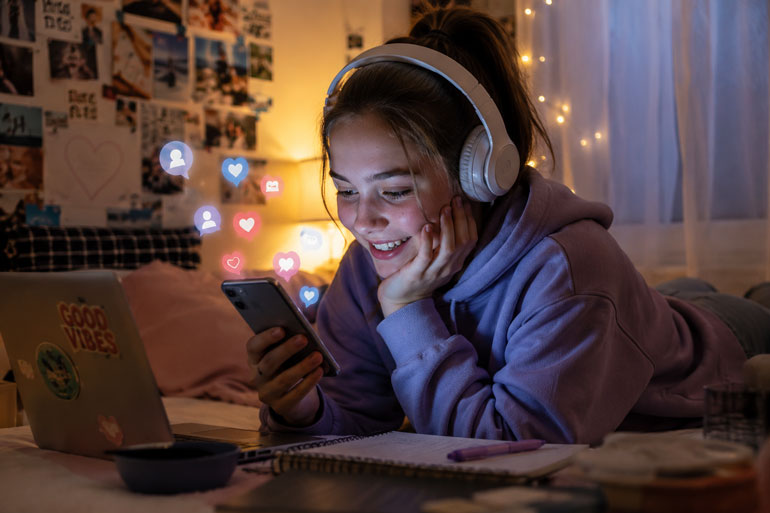
Let’s be real. When Australia’s new social media age restrictions came through, most of us felt a bit of relief. Less screen time, less scrolling at midnight, fewer fights about TikTok. That all sounds… good?
But it’s not quite that simple. Especially if your child is neurodivergent.
According to registered psychologist Françoise Nicoloff, the conversation around this ban is missing something important. “Like every technology, social media has two sides,” she explains. “Much depends on how it’s presented to young people, the example parents set, and how families communicate about what they see and hear.”
Here’s the thing though: some young people actually need social media more than others. And if you’ve got a kid with ADHD, autism, or anxiety, the nuance matters more than you’d think.
The bigger picture: mental health isn’t just about social media
Françoise’s worked with hundreds of young people, and what she’s noticed is this: social media is rarely the sole culprit when mental health takes a hit.
Yes, for some teens, social media genuinely exacerbates anxiety, low mood, body image stress, broken sleep, and that brutal comparison trap. But Françoise is clear that the full picture includes family stress, school pressure, loneliness, bullying, dodgy sleep, identity development, and access (or lack of) actual support.
“The government’s concerns are valid, but blanket statements risk overlooking young people who use social media in positive ways for connection, information and community.”
And here’s where neurodivergent teens come in.
Why neurodivergent teens might need this differently
For many young people, social media is way more than endless scrolling and Instagram stories. It can provide genuine connection, community, identity exploration, peer support and access to information that’s genuinely hard to find offline.
This matters especially for neurodivergent kids. A teenager with ADHD or autism who feels misunderstood at school might find their first affirming community online, through shared interests or identity spaces or actual peer support from people who get it.
Same goes for kids living in regional areas, kids from culturally diverse backgrounds, or anyone who feels isolated in their everyday life. That online space might be the first place they’ve ever felt like they belong.
“Completely removing access could leave some young people more isolated, with fewer immediate alternatives”
That doesn’t mean every online community is healthy. But it does mean assuming all social media is a waste of time misses the actual picture for some kids.
The Real Problem isn’t Social Media, it’s How it’s Designed
Here’s another thing worth separating: social media itself versus the way platforms are built.
“At its best, social media enables connection, creativity, community-building and access to information. The greater clinical concern is the way many platforms are deliberately engineered for maximum engagement.”
Endless scrolling, algorithm-driven recommendations, notifications pinging constantly, engagement-based design, the dopamine hit when someone likes your post… all of this is specifically designed to keep you hooked. This is especially tricky for neurodivergent brains, which often struggle with impulse control and regulation.
So the age restrictions might help younger kids avoid these traps for a bit longer. But they don’t actually change how the platforms work underneath.
What you can actually do right now
Forget the screen time police approach. Françoise suggests something different: stay genuinely curious about what your kid is actually doing online.
Instead of just asking “How long have you been on TikTok?”, try:
- What do you enjoy doing online?
- Who do you spend time talking to?
- How do you usually feel after you’ve been online?
- Are there things online that make you feel stressed or upset?
- What would help you feel safer online?
“These conversations help parents understand what their child is actually experiencing. They also help young people feel heard, making it easier to work together on healthy boundaries.”
Beyond the conversations, supporting digital wellbeing also means the basics: healthy sleep, regular physical activity, actual face-to-face relationships, and clear expectations around devices. Especially for neurodivergent kids, who often need more structure and support.
The ban is one layer, not the whole solution
Françoise is realistic about what these restrictions can and can’t do. They might reduce some of the risks younger teens face online. But they won’t address loneliness, bullying, family stress, trauma, or the fact that accessing actual mental health support is genuinely hard.
“Age restrictions could be one helpful layer of protection … But lasting improvement requires better platform design, parental and school support, improved access to mental health services, and equipping young people with the skills to navigate the digital world safely.”
The real conversation isn’t about keeping kids away from social media. It’s about helping them build healthy relationships with technology while staying connected, supported and safe. And for neurodivergent teens, that conversation is uniquely important.
You might also like:
- Spicy Brains & Kink: Why ADHD Could Lead You to Novelty; Kink in the Bedroom
- The Seven Misunderstandings about ADHD That Need to Change
- Mum Shares Clever Decluttering Hack For Busy Mums and We’re For It!




1 Comment
I reckon TikTok has to be the worst site.
They “went too far” when they showed an unconscious person with a neurological problem that is not caused by drugs or alcohol and joked about it. It is potentially life threatening and was distressing to view. A person with this condition can stop breathing and don’t always respond quickly enough to cpr and end result is more brain damage.
I dread to think of other dangerous content may be on TikTok. My relatives have banned TikTok from all their family members. Many children with Autism don’t understand the dangers but absorb what they see and hear. The same applies to some with ADHD and there is several different types of it too